- March 6, 1809, 217 years ago — Death of Thomas Heyward Jr..
- March 6, 1724, 302 years ago — Birth of Henry Laurens, President of the Continental Congress.
- March 7, 1707, 319 years ago — Birth of Stephen Hopkins, signer of the Declaration of Independence.
- March 7, 1699, 327 years ago — Birth of Susanna Boylston Adams, mother of John Adams.
Chapter II — The Pennsylvania Line Takes Shape, 1776
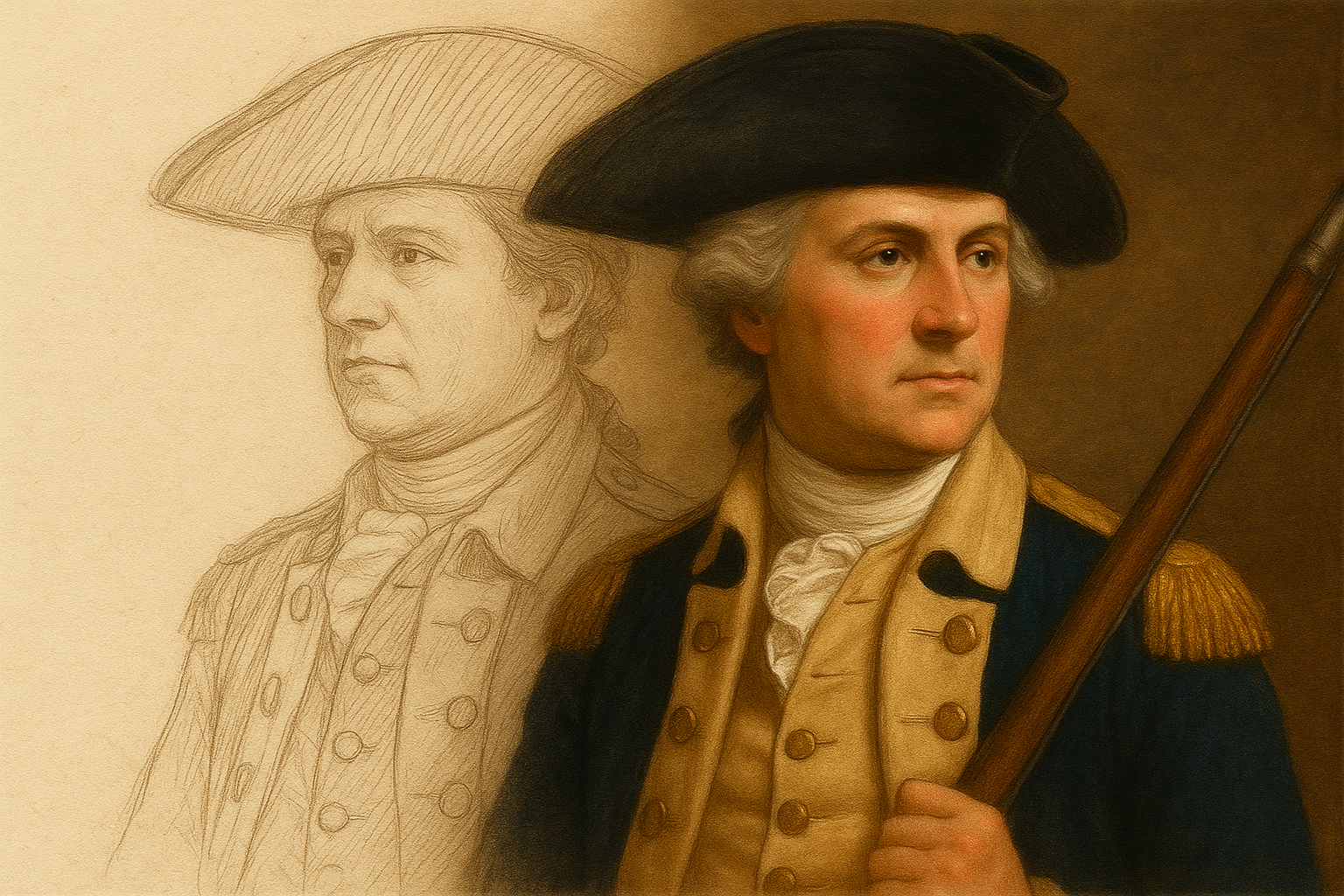
As the year 1776 wore on, the army we had first joined in haste began to assume a more deliberate form. Regiments were no longer collections of neighbors gathered in urgency, but parts of a growing structure bound by shared service. The term “Pennsylvania Line” came into common use, marking those regiments raised by the Commonwealth and maintained under Continental authority.
Service within the Line carried a distinct weight. We were subject to longer enlistments and stricter expectations than many militia units, and our movements were governed by the needs of the army as a whole rather than the defense of any single town or county. Once assigned, a regiment could expect to be marched where it was most required, whether the men wished it or not.
Daily life settled into a pattern shaped by necessity. Drill was constant, for discipline had become the measure by which officers judged whether citizen-soldiers might endure prolonged war. Supplies improved in some respects and worsened in others. Food was often adequate but rarely plentiful, clothing uneven, and pay uncertain. Still, cohesion grew not from comfort, but from repetition and shared hardship.
Within the ranks, distinctions of trade or background faded. Men were known less by their former lives than by their conduct under strain—who kept step, who held the line in foul weather, who endured without complaint. Sergeants and corporals bore much of this burden, enforcing order while sharing the same conditions as those they commanded.
By the close of that year, the character of the Pennsylvania Line was largely formed. We were no longer men waiting to see whether rebellion would succeed, but soldiers committed to its survival. Whatever doubts remained were outweighed by the simple fact of continued service. The Line held, not because it was easy to do so, but because there was no longer a life apart from it.
Disclaimer:
The articles on this site include original commentary as well as transcriptions and excerpts from historical newspapers, books, and other public domain sources. Every effort has been made to preserve the accuracy and context of these materials; however, their inclusion does not imply authorship, agreement, or endorsement by Patriot Echoes unless explicitly stated. Sources are cited where available. All materials are presented for educational, archival, and civic purposes. If you believe any item has been misattributed or requires correction, please contact the editorial team.