- March 6, 1809, 217 years ago — Death of Thomas Heyward Jr..
- March 6, 1724, 302 years ago — Birth of Henry Laurens, President of the Continental Congress.
- March 7, 1707, 319 years ago — Birth of Stephen Hopkins, signer of the Declaration of Independence.
- March 7, 1699, 327 years ago — Birth of Susanna Boylston Adams, mother of John Adams.

Commonly Flown: 1686 – 1776
Flag Description
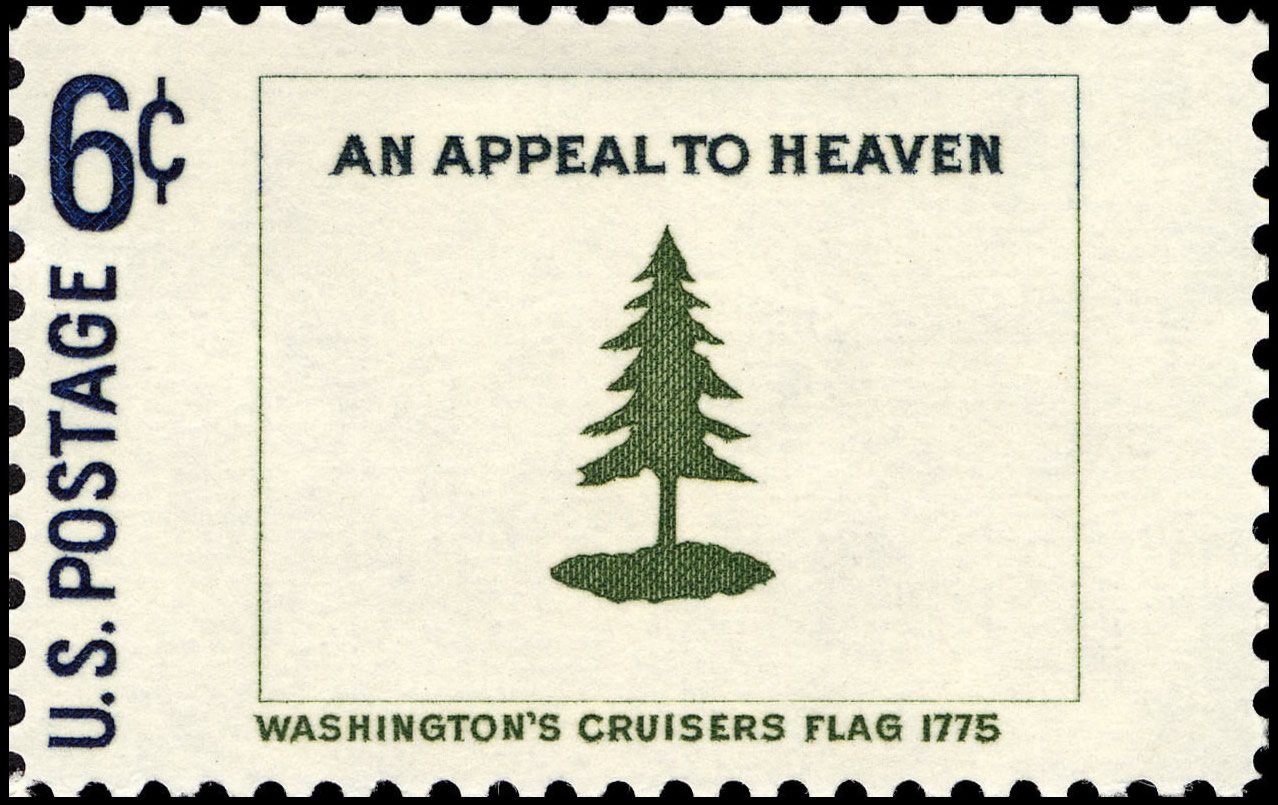
The New England Pine Tree Flag typically featured a red field with a white canton bearing a green pine tree, often superimposed on the Cross of St. George. Variants included blue ensigns and simplified designs with just the pine tree in the canton. The pine tree—specifically the Eastern white pine—was a regional symbol of New England’s natural resources and colonial autonomy, especially in maritime and militia contexts.
Editorial Commentary
The New England Pine Tree Flag is a banner of quiet rebellion. Long before the Declaration of Independence, New Englanders were resisting British control—not just with words, but with trees. The Eastern white pine was essential for ship masts, and Britain’s claim to these resources under the Mast Preservation Acts sparked outrage. Colonists saw the pine not just as timber, but as livelihood—and liberty.
The Pine Tree Riot of 1772, in which New Hampshire mill owners violently rejected royal restrictions on tree harvesting, marked one of the earliest acts of physical resistance to British authority. The flag, already in use by colonial militias and merchant vessels, took on new meaning. It became a symbol of defiance, independence, and regional pride.
In the context of Patriot Echoes, the New England Pine Tree Flag reminds us that resistance often begins with the local and the tangible. It wasn’t just about taxes—it was about trees, trade, and territory. This flag stands for a people who knew their land, valued their labor, and refused to let distant rulers dictate their future. It is a quiet but potent emblem of the revolution’s roots in everyday life.
Sources: